The Projectionist
A haunting meditation on memory and celluloid. Director Elara Voss traces the life of a rural projectionist whose cinema becomes a portal between the living and the dead. Shot entirely on restored 16mm stock.
Two strangers share a radio frequency in a city that never sleeps. Park Ji-yeon's sophomore feature weaves neo-noir tension with an hypnotic electronic score that becomes its own character.
Three photographs. Three disappearances. One darkroom where time folds in on itself. MarcoAlbertini's metaphysical thriller unfolds like a sequence of still images — each frame a corridor deeper into the mystery. A masterclass in photographic dread.
Winner of the Golden Peacock at the Shanghai International Film Festival. Italian auteur cinema at its most intoxicating and precise.
"The most dangerous thing in the world is what you refuse to see."
A retired detective returns to the case that destroyed her career. Set against the backdrop of a rain-soaked Mediterranean port town, Amara Osei's debut feature is unflinching psychological noir.
Born in Lyon, raised between Paris and Berlin, Voss emerged from the experimental short film circuit with a视觉 language that merges photographic stillness with emotional turbulence. Her debut feature "Glass Requiem" (2021) won the Caméra d'Or at Cannes.
"The Projectionist" represents three years of immersion in France's vanishing rural cinemas — a love letter to the dark rooms where dreams are projected onto silver screens.
A former documentary filmmaker from Accra, Osei's transition to narrative cinema has been nothing short of seismic. "BlindSpot" is only her second feature, yet it displays the control and confidence of a veteran auteur twice her age.
Her work interrogates the legacy of colonial gaze through the grammar of noir — shadows, unreliable narrators, and the spaces between what is seen and what is known.
14 Rue de la Nuit · Le Marais, Paris
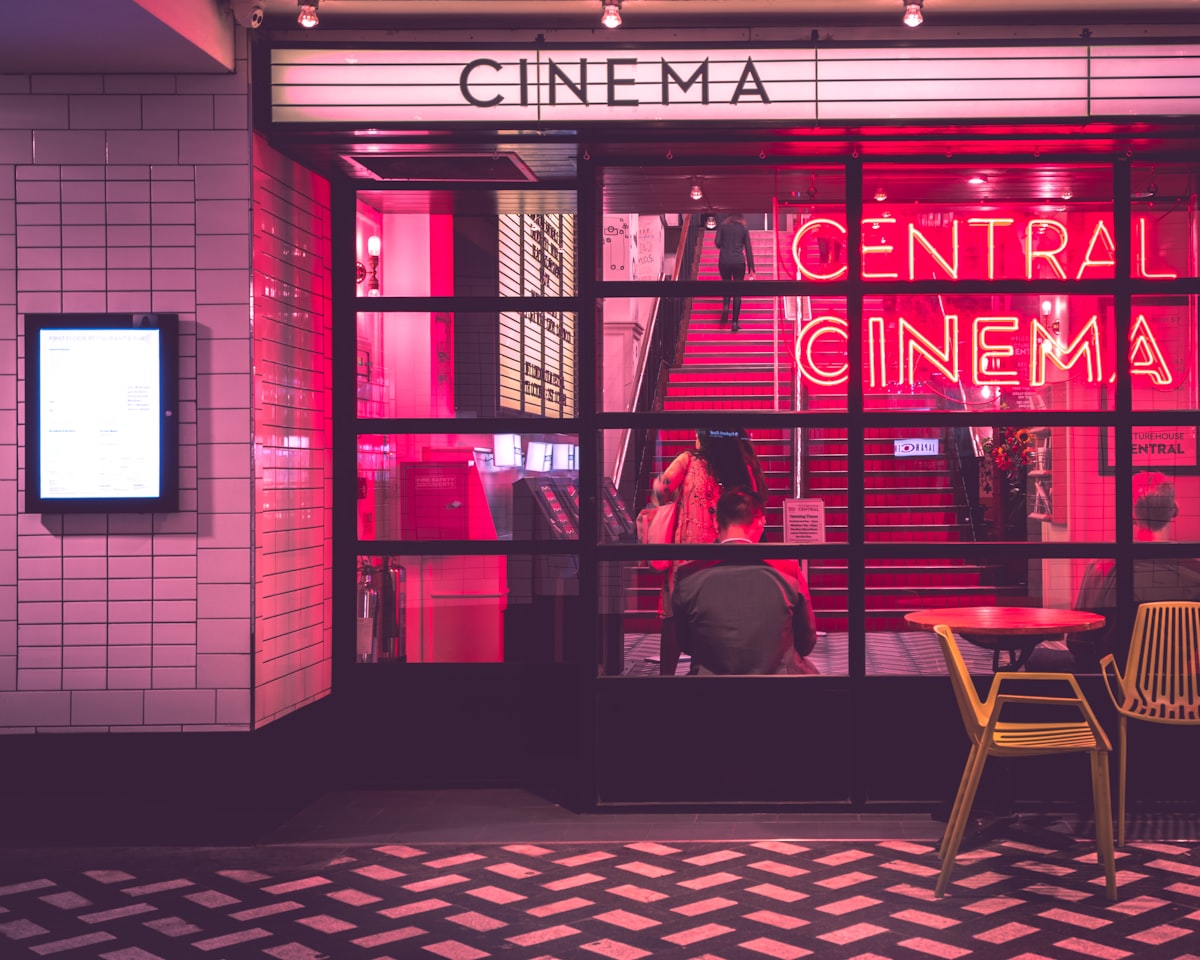
A restored 1920s picture palace with 840 seats, original Art Deco detailing, and one of the largest screens in continental Europe. Opening and closing nights are held here, beneath ceilings painted with constellations.
7 Passage Brady · 10e Arrondissement
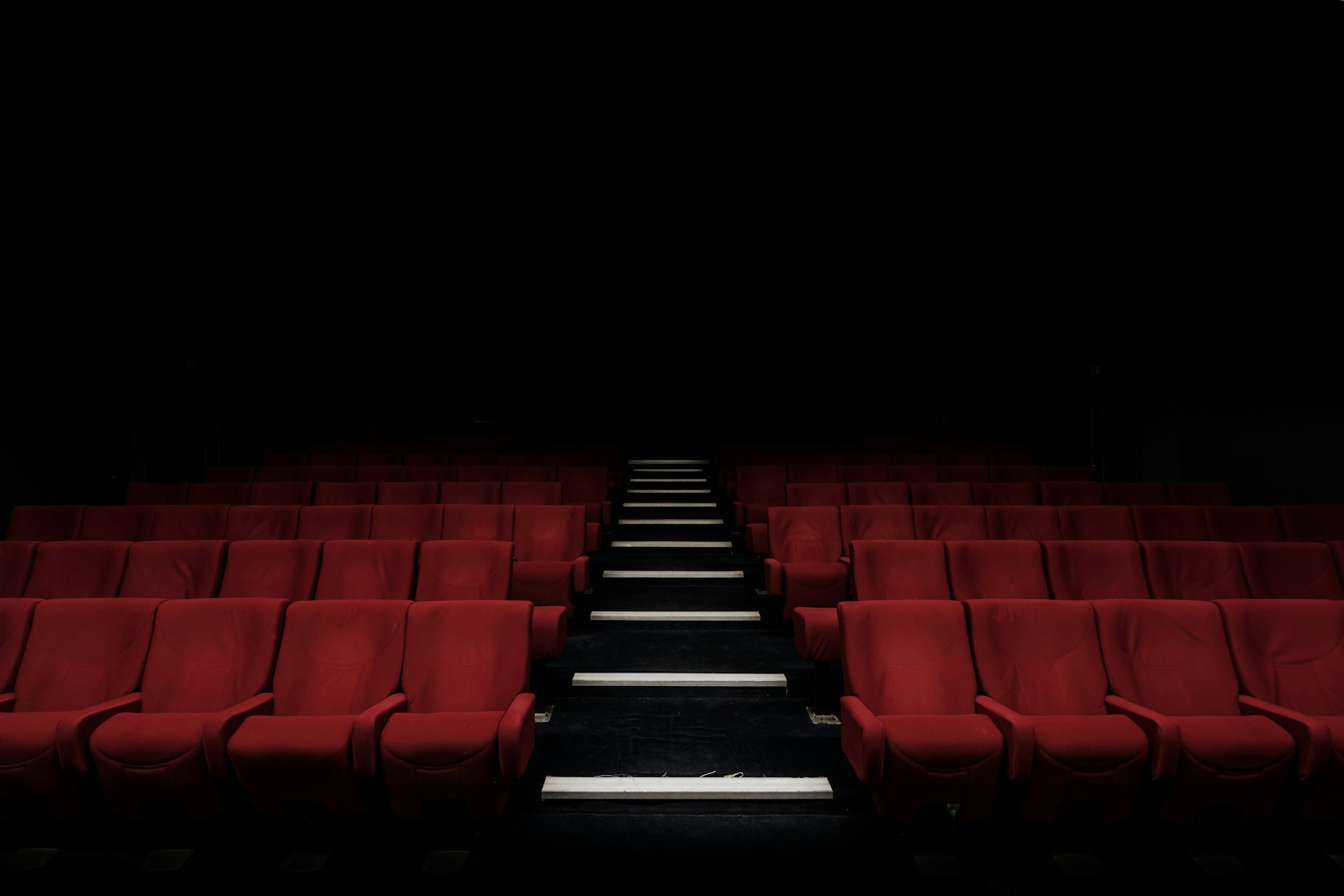
An intimate 120-seat screening room buried beneath a covered passage. Velvet seats, no advertising, absolute darkness. The midnight screenings happen here.
"Cinema is a matter of what's in the frame and what's out."
— Martin ScorseseFounded in 2019, Lumière Noire was born from a conviction: that the most vital cinema happens not in the glare of mainstream attention, but in the interplay between light and darkness — between what is shown and what is withheld. Our name is both homage and provocation. The lumière of the first cinematographers, and the noir of the shadows they cast.
Over seven editions, we have championed debut filmmakers, restored forgotten masterworks, and created a space where the cinema of risk finds its audience. We programme films that demand patience, reward attention, and linger like smoke after the projector is switched off.
Each screening is curated as a dialogue — between eras, between cultures, between the photographed image and the lived experience it attempts to capture. No red carpets, no paparazzi pens. Just darkness, light, and the collective act of watching.