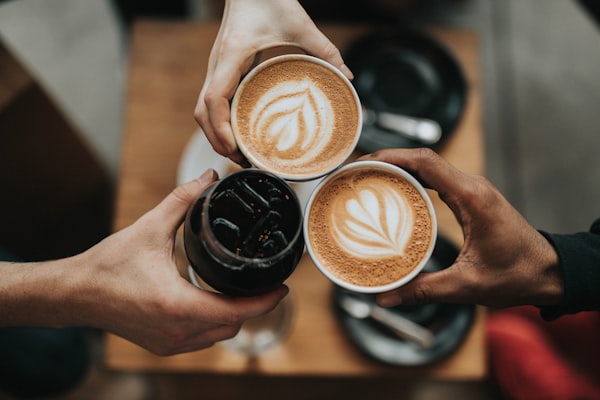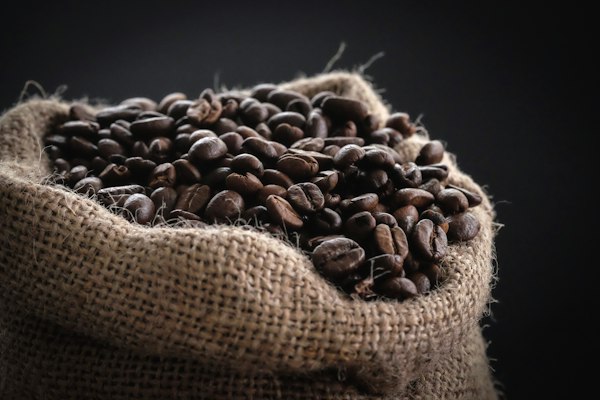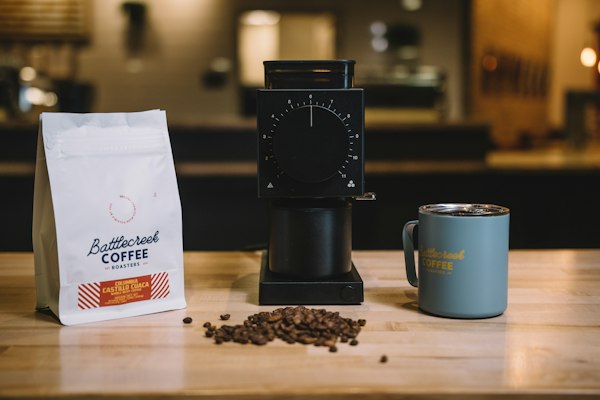
Artisanal coffee beans being roasted
Single-Origin Craft Roastery

Where Fire Meets terroir

We source the world's finest single-origin beans and roast them with meticulous precision — transforming raw green coffee into liquid art, one batch at a time.

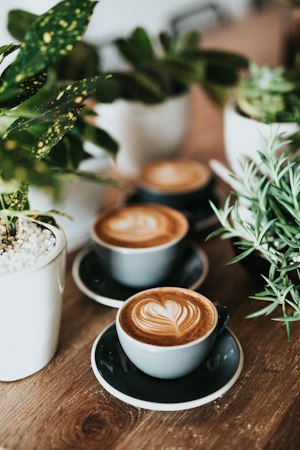
Pour-over coffee brewing Latte art detail
Scroll
Master roaster in the roastery
14
Years of Craft Roasting

Born from an obsession with the perfect cup

In the highlands of Ethiopia, on a misty morning in 2010, our founder Elena Vasquez tasted a coffee that changed everything. A single sip of a Yirgacheffe prepared by a local farmer revealed depths of flavour she never knew coffee could possess — bright citrus, jasmine florals, a honeyed sweetness that lingered long after the cup was empty.

That moment ignited a decade-long pilgrimage across four continents, from the volcanic slopes of Guatemala to the terraced hills of Rwanda, learning the ancient art of roasting from masters who treated every bean as a sacred artifact.

Ember & Origin was founded on a singular belief: that every coffee has a story encoded in its cellular structure, waiting for the right roaster to unlock it. We don't just roast coffee — we translate terroir into cup.

🌱
Direct Trade
We buy directly from farmers, paying 40% above fair trade minimums.
🔥
Small Batch
Every roast is 15 kg or less, profiled individually for peak expression.
✈️
Roast to Order
Your coffee is roasted within 48 hours of your order — never pre-roasted.

Sourced from the world's finest growing regions

Each origin carries the fingerprint of its terroir — the soil, altitude, climate, and the hands that nurtured it.

Drag to explore
Ethiopian coffee landscape
1,900m
Yirgacheffe, Ethiopia
Konga Washed
Bright bergamot, white peach, raw honey. Delicate and floral with a silk-like mouthfeel.
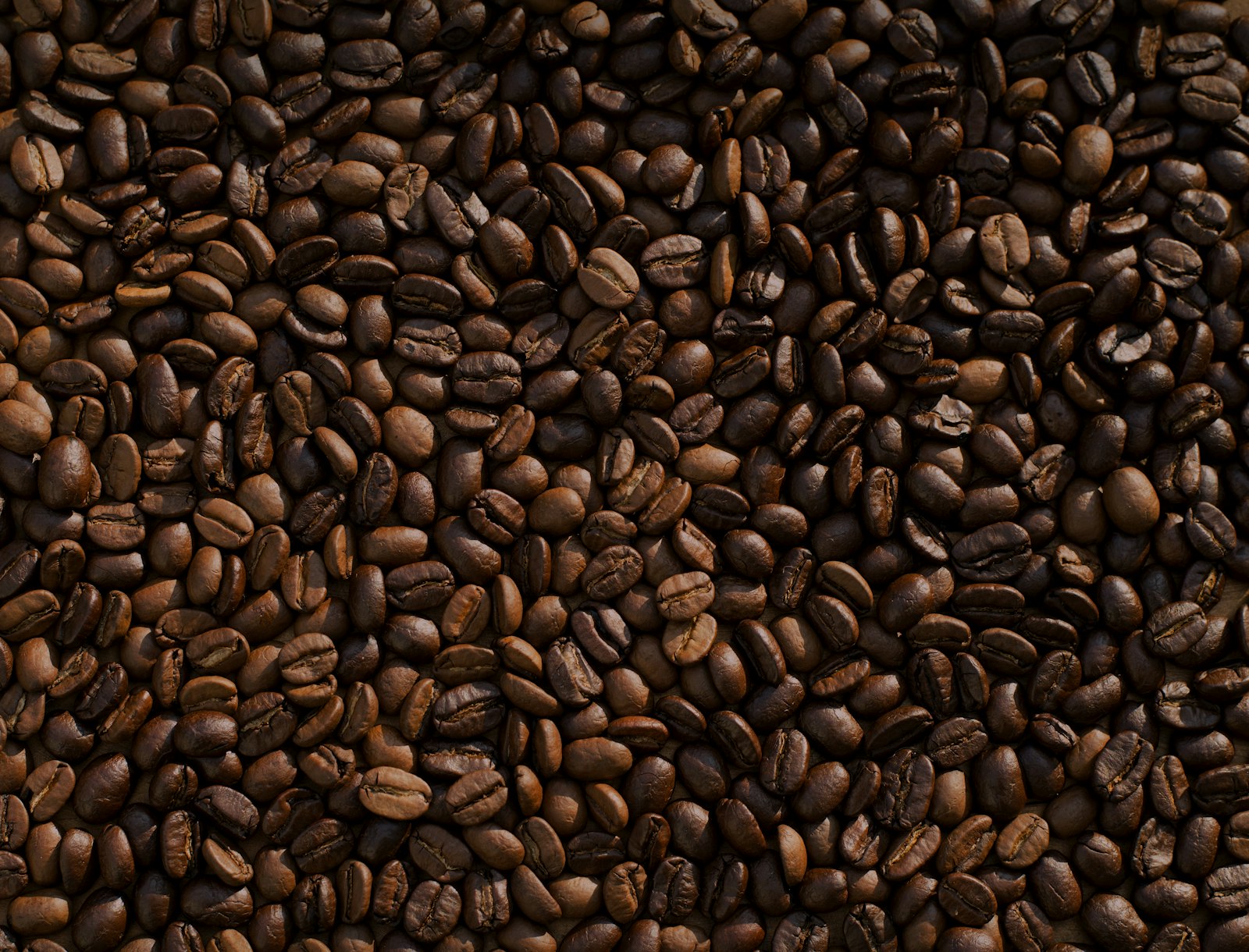
Floral Citrus Light Roast
Colombian coffee plantation
1,750m
Huila, Colombia
El Paraiso Double Anaerobic
Strawberry candy, dark chocolate, panela sweetness. Rich and complex with a long finish.
Chocolate Fruity Medium Roast
Guatemalan highlands
1,600m
Antigua, Guatemala
Huehuetenango Bourbon
Toasted almond, caramel, red plum. Volcanic soil lends a distinctive smoky depth.
Nutty Caramel Med-Dark
Kenyan coffee cherries
2,100m
Nyeri, Kenya
Gathaithi AA
Blackcurrant, blood orange, tomato leaf. Bright, juicy acidity with wine-like complexity.
Bright Berry Light Roast
Rwandan hills
1,800m
Nyamasheke, Rwanda
Bumbogo Honey
Red grape, brown sugar, hibiscus. Honey-processed for enhanced sweetness and body.
Sweet Honey Process Medium
Panama coffee farm
1,700m
Boquete, Panama
Geisha Natural
Jasmine, mango, Earl grey tea. Our crown jewel — ethereal, perfumed, transcendent.
Geisha Floral Light Roast

From green bean to golden moment

Our four-stage roasting protocol transforms raw potential into controlled brilliance. Each phase demands precision, instinct, and respect.

Green coffee beans entering the drum
160°C
01

The Charge

Green beans enter the preheated drum. Moisture begins its slow escape. The Maillard reaction hasn't begun — we're building thermal momentum, laying the foundation for even development.
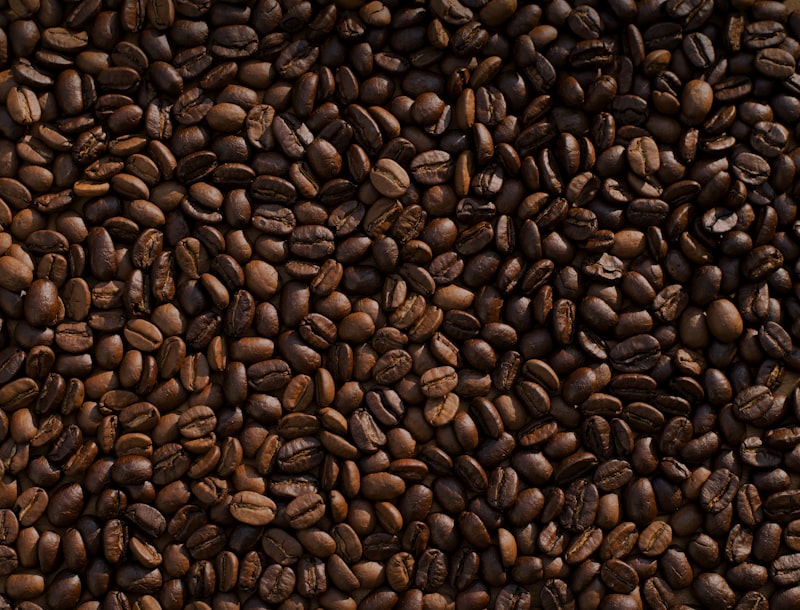
Coffee beans mid-roast yellowing
190°C
02

Yellowing & Maillard

Sugars and amino acids collide. The beans shift from green to yellow, releasing hay-like aromas. This is where body and sweetness are built — too fast loses complexity, too slow bakes flat.
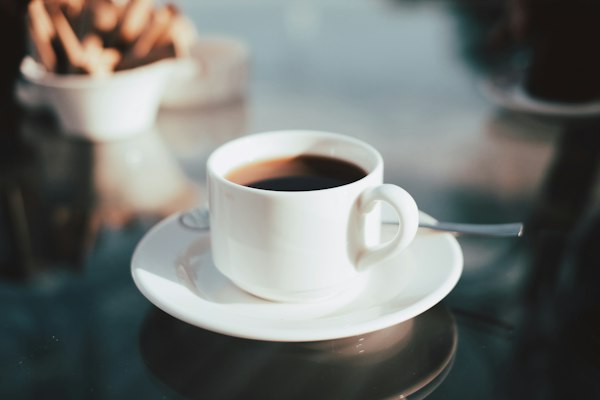
First crack coffee beans
210°C
03

First Crack

The beans sing — audible pops signal water vapour escaping under pressure. This is the defining moment. Acidity peaks, aromatics bloom. Every second now shapes the final cup.
Roasted coffee cooling on tray
218°C
04

Development & Drop

We extend development by precise seconds based on the bean's origin and density. Then an immediate quench onto the cooling tray — locking in the flavours we've coaxed from the fire.

Barista preparing pour-over coffee

Master the ritual at home

Our roasters have curated brew guides so you can extract the very best from every bag. Water, grind, time, temperature — every variable matters.

Pour-Over (V60)
3:30 min
  1. Heat 350ml filtered water to 93°C. Rinse the V60 filter with hot water and discard.
  2. Grind 21g of coffee to medium-fine — resembling sea salt in texture.
  3. Pour 45g of water in a slow spiral, blooming the coffee. Wait 30 seconds as it degasses.
  4. Pour in two stages: 150g by 1:15, then the remaining water by 2:00. Keep the spiral tight and even.
  5. Allow the draw-down to finish by 3:30. The bed should be flat and even — a sign of proper technique.
French Press
4:00 min
  1. Bring 500ml water to a boil, then let rest to 94°C. Pre-warm the press with hot water.
  2. Grind 30g coffee coarse — roughly the texture of rough sand or crunchy sea salt.
  3. Add coffee to the press, pour all water at once. Stir gently once to saturate all grounds.
  4. Place the lid on but do not plunge. Let steep undisturbed for exactly 4 minutes.
  5. Press slowly and steadily — 20 seconds for the full press. Pour immediately to avoid over-extraction.
AeroPress Inverted
2:00 min
  1. Invert the AeroPress. Heat 220ml water to 90°C — slightly cooler to tame bitterness.
  2. Grind 17g coffee fine-medium, close to table salt. Drop into the inverted chamber.
  3. Pour 220g water in one go. Stir twice, then cap and seal. Steep for 1:30.
  4. Flip onto your mug. Press firmly and steadily for 30 seconds until you hear the hiss of air.
  5. Clean immediately. The resulting cup is clean, bright, and remarkably concentrated — adjust dilution to taste.
Cold Brew Concentrate
16 hours
  1. Grind 120g coffee very coarse — the largest setting on most grinders. Think raw sugar crystals.
  2. Combine with 750ml cold filtered water in a jar or Toddy brewer. Stir to wet all grounds.
  3. Cover and refrigerate for 16 hours. No agitation needed — time does the work.
  4. Filter through a fine mesh, then a paper filter for clarity. The result is a smooth concentrate.
  5. Serve at 1:1 concentrate-to-water ratio over ice. Keeps refrigerated for up to two weeks.