0m
Surface
Depth
Descent Initiated — 240m Depth

Exploring the Abyss,
Preserving the Ocean

DEPTH Marine Biology Institute leads pioneering deep-sea research across every ocean zone — from sunlit coral gardens to the uncharted hadal trenches. Our mission: document, understand, and protect marine ecosystems before they vanish.

Descend

Mapping the Unseen Ocean Since 1987

For over three decades, DEPTH has operated at the frontier of marine biology. Our research vessels have logged 14,000+ hours beneath the waves, our scientists have identified 340+ previously unknown species, and our conservation programs have protected over 2 million square kilometers of critical marine habitat.

We believe the deep ocean is Earth's last great frontier — a realm of bioluminescent wonder, pressure-defying life forms, and ecosystems that challenge everything we thought we knew about biology. Every descent reveals something new.

0
Species Discovered
0
Expeditions Completed
0
Active Researchers
0
M+ km² Protected
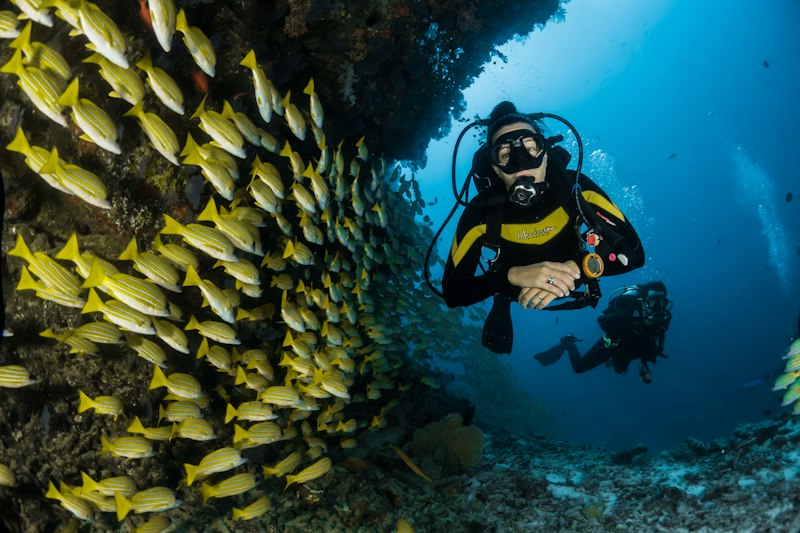
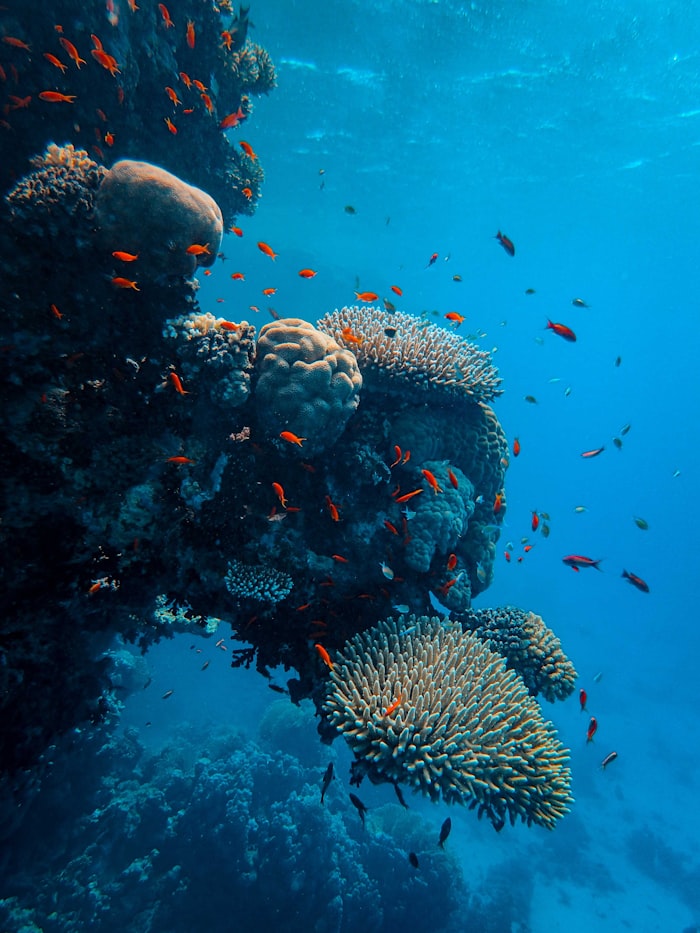
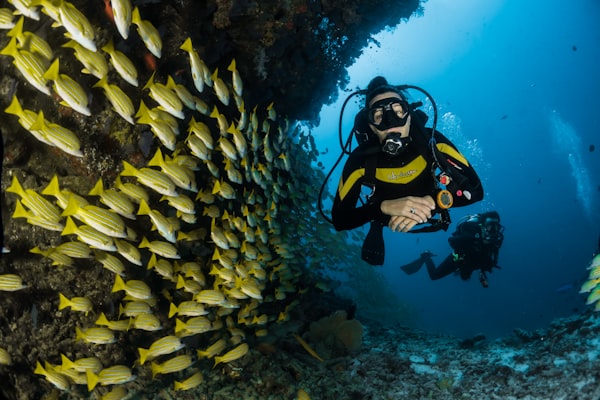
Diver exploring coral reef
Ongoing Mission

Mariana Trench Biodiversity Survey — Phase III
Seven Frontiers of Discovery

🌊

Deep-Sea Bioluminescence

Studying the chemical and genetic mechanisms behind light production in abyssal organisms. Our lab has catalogued 180+ bioluminescent species and holds patents on bio-inspired photonic materials derived from deep-sea proteins.

Depth: 1,000–4,000m
🪸

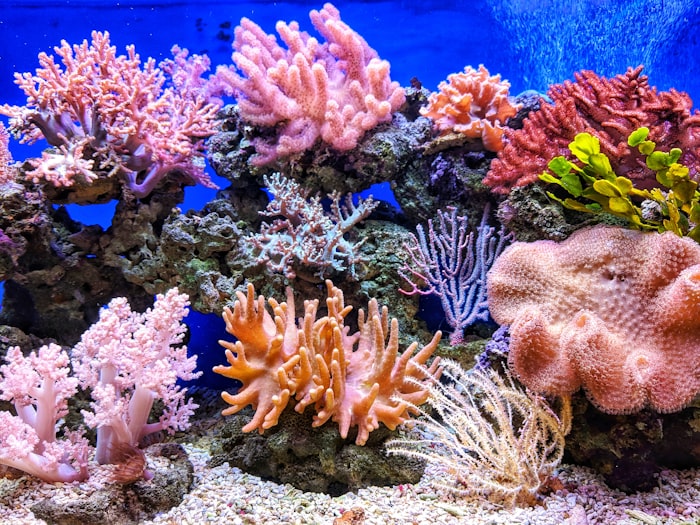
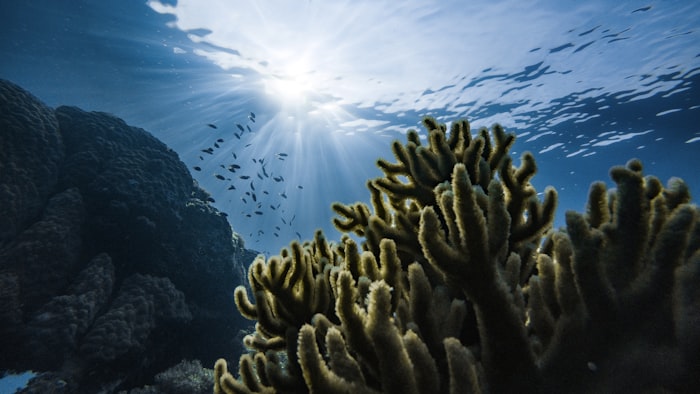
Coral Reef Resilience

Tracking coral bleaching events across 34 reef systems and developing heat-resistant coral genotypes through assisted evolution. Our nurseries have replanted 12,000+ coral fragments since 2019.

Depth: 5–60m
🐋

Cetacean Communication

Deploying deep-water hydrophone arrays to decode the acoustic language of sperm whales, blue whales, and beaked whales across three ocean basins.

Depth: 0–2,000m
🌋

Hydrothermal Ecology

Investigating chemosynthetic ecosystems at mid-ocean ridges, where life thrives without sunlight. Understanding extremophile metabolisms that may hold clues to life on other worlds.

Depth: 2,000–4,500m
🦑

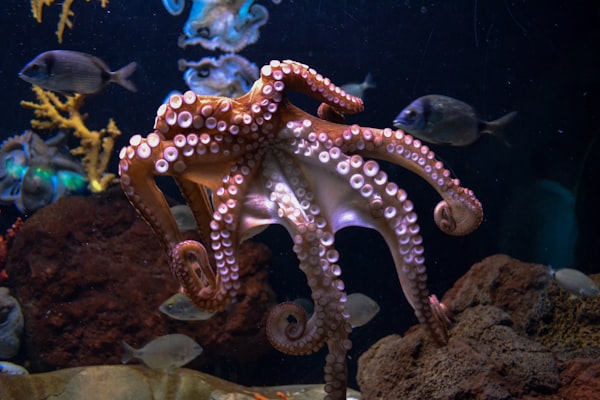
Giant Squid & Cephalopod Neurology

First successful captive observation of Architeuthis dux behavior. Mapping the distributed nervous system of cephalopods to understand alternative models of intelligence.

Depth: 300–1,000m
🌡️

Ocean Acidification

Monitoring pH changes across 28 pelagic stations and modeling cascading effects on shell-forming organisms, from pteropods to deep-water corals. Our data informs international climate policy.

Depth: 0–5,000m
🧬

Marine Genomics & eDNA

Pioneering environmental DNA sampling techniques that detect species presence from seawater alone. Our eDNA database covers 12,000+ marine taxa and enables non-invasive biodiversity monitoring at unprecedented scale.

Depth: All zones

Descents into the Unknown

Each expedition pushes deeper into unexplored territory, mapping new species and ecosystems in Earth's largest biome.

2024 — Current

Abyssal Frontier: Mariana Phase III

Our flagship expedition returns to the deepest point in the ocean with next-generation autonomous submersibles equipped with AI-powered species recognition and real-time eDNA analysis.

▼ 10,920m Max Depth
III
Deep ocean exploration
2023

Coral Genesis: Great Barrier Reef

Six-month deployment testing heat-resilient coral genotypes across 18 reef sites. The most comprehensive assisted evolution trial in the Southern Hemisphere.

▼ 45m Max Depth
CG
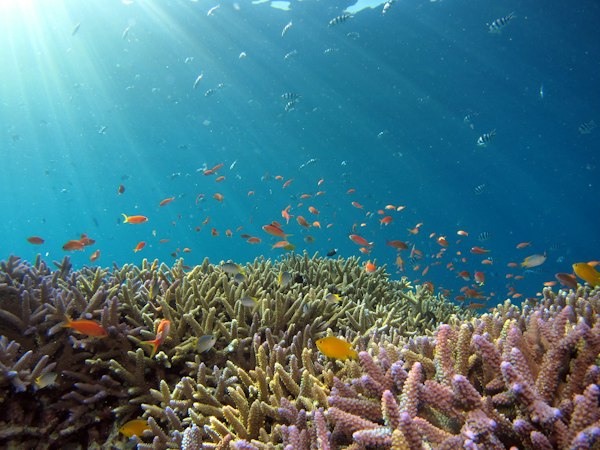
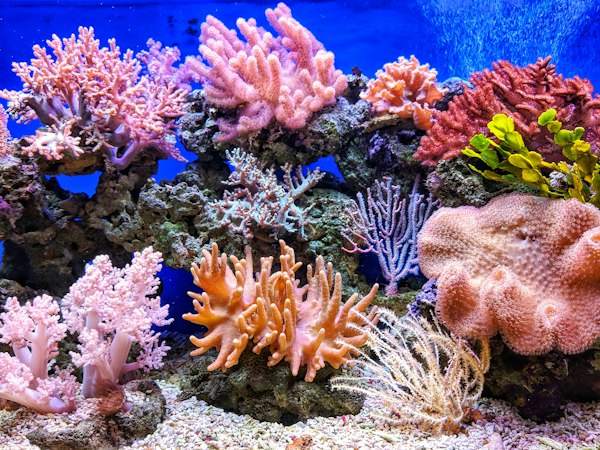
Coral reef underwater
2022

Midnight Zone: Atlantic Crossing

Transatlantic survey of the mesopelagic and bathypelagic zones. Discovered 23 new species of bioluminescent fish and documented previously unknown krill migration corridors.

▼ 3,800m Max Depth
MZ
Deep ocean jellyfish
2021

Whale Song: Antarctic Survey

Deployed 40 hydrophone arrays across the Southern Ocean, capturing the most complete acoustic dataset of Antarctic blue whale communication ever recorded.

▼ 500m Listening Depth
WS
Whale underwater
Deep ocean

Join the Descent

Whether you're a researcher seeking collaboration, a student applying for our fellowship program, or a supporter who wants to help protect marine ecosystems — we'd love to hear from you.

Support Marine Conservation

Every contribution funds expeditions, species documentation, and marine protected area expansion.

Send a Message