78°13'N 15°38'E Svalbard, Norway Alt: 34m ASL

POLARIS

Arctic Research Observatory — Est. 2019

Listening to the silence at the edge of the world. Monitoring climate, atmosphere, and ice — where the smallest changes echo loudest.

External Temp
-28.4
°C · Radiometer Array
Wind Speed
12.7
m/s · NNW
Aurora Activity
Kp 5
Geomagnetic Index
Ice Thickness
1.82
meters · Borehole 7
Atmospheric Pressure — Last 24h
Scroll to explore
01 Cryo-Ice Dynamics
02 Auroral Magnetometry
03 Permafrost Carbon
04 Marine Ecology

Cryo-Ice
Dynamics

Studying glacial mass balance, calving events, and ice-sheet dynamics across the Svalbard archipelago. Our network of autonomous GPS buoys and ground-penetrating radar systems provide continuous monitoring of ice behavior in near-real-time.
47
Sensor Nodes
12.3TB
Data Collected
5yr
Monitoring
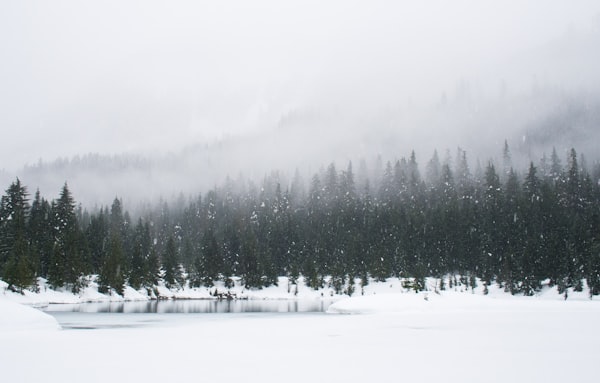
Arctic ice landscape

Auroral
Magnetometry

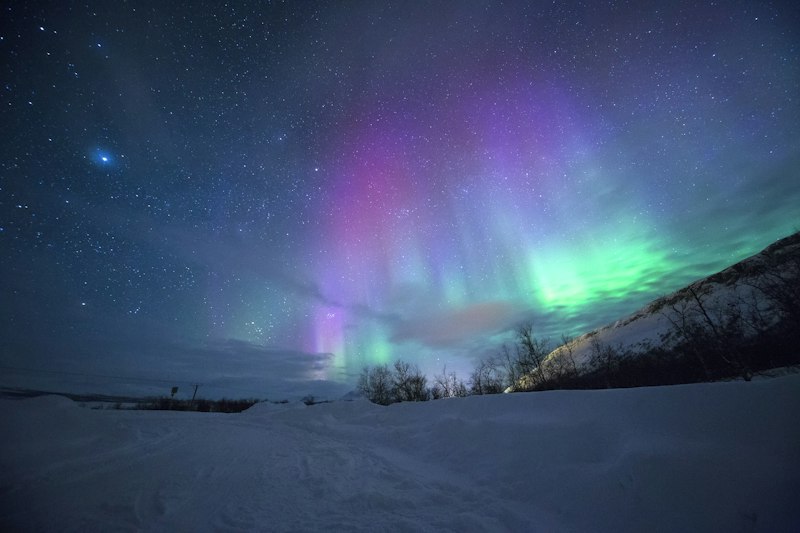
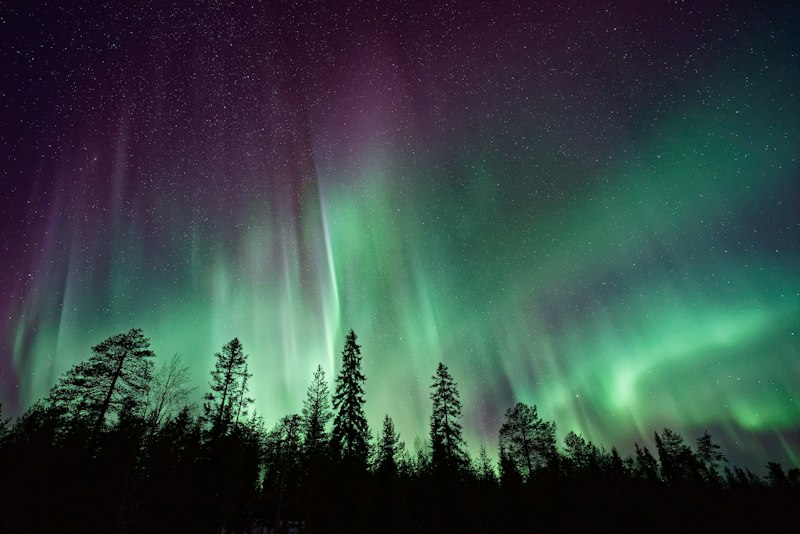
Operating one of the world's northernmost magnetometer arrays, we study the coupling between solar wind, the magnetosphere, and auroral emissions. Our data feeds directly into space weather forecasting models used by agencies worldwide.
23
Magnetometers
8.1TB
Signal Data
3yr
Continuous
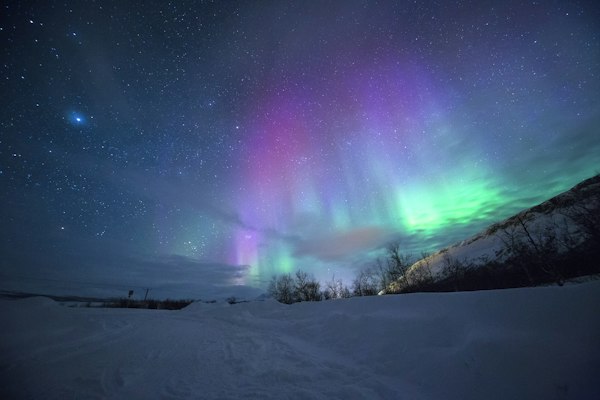
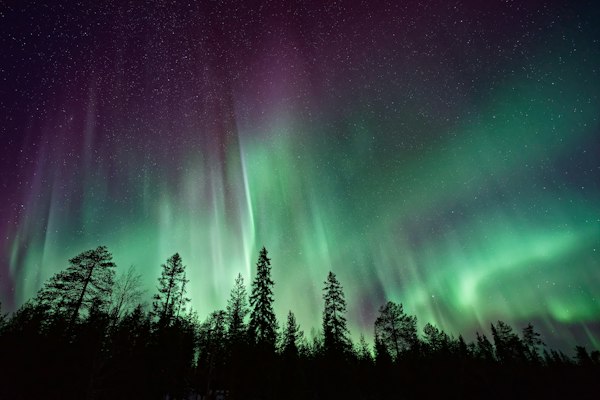
Aurora borealis over arctic

Permafrost
Carbon

Quantifying greenhouse gas emissions from thawing permafrost. Eddy covariance towers and broadband gas analyzers measure CO₂ and CH₄ fluxes across a 200km² study area. This program is critical to understanding arctic amplification feedback loops.

15
Flux Towers
6.7TB
Flux Records
4yr
Active Study
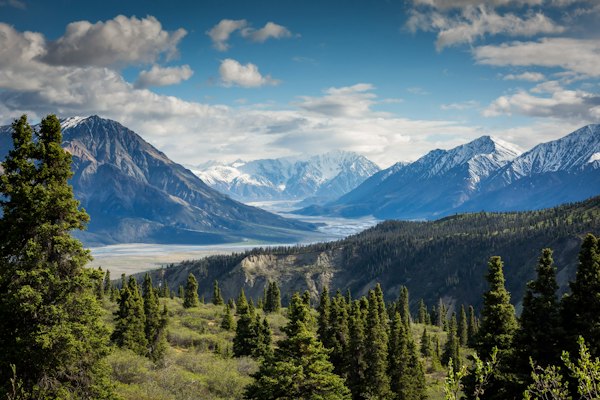
Frozen arctic terrain

Marine
Ecology

Documenting shifts in arctic marine ecosystems as sea ice retreats. Hydroacoustic surveys, plankton samplers, and autonomous underwater vehicles map biodiversity from phytoplankton to marine mammals across the changing polar shelf.

8
AUVs Active
4.2TB
Survey Data
3yr
Biodiversity
Arctic ocean and ice

Observatory
Dashboard

Real-time instrument readings from POLARIS Station. All data streams update every 60 seconds from automated sensor networks.

Core Temperature Live
-28.4° Celsius
Relative Humidity Live
68% Relative
Wind Vector Live
12.7 m/s · NNW
Temperature — 72 Hour Timeline Streaming
System Status Nominal
Solar Array 87%
Battery Bank 94%
Data Uplink Active
Sensor Network 47/47
Heating System Stage 2
Ice Core Analysis — Depth Profiles (meters) Updated 2h ago
5m
10m
20m
50m
100m
200m
500m
800m
1km
1.5km
2km
2.5km
Geomagnetic Field Live
Bx Component 14,282 nT
By Component 1,847 nT
Bz Component 48,391 nT
Kp Index 5 (G1)
Substorm Active
Aurora Intensity — Last 12 Hours Streaming

Research Team

Our multidisciplinary team of glaciologists, atmospheric scientists, marine biologists, and engineers operates year-round in one of Earth's most extreme environments.


Glaciologist
Lead Glaciologist
Dr. Ingrid Haugen
Ice dynamics modeling and mass balance analysis. University of Oslo glaciology group.
ID: PLR-014
Atmospheric Scientist
Atmospheric Physicist
Dr. Kenji Watanabe
Auroral studies and magnetosphere coupling. National Institute of Polar Research, Tokyo.
ID: PLR-022
Marine Biologist
Marine Ecologist
Dr. Amalie Petersen
Arctic marine biodiversity and ecosystem shifts under ice-loss scenarios.
ID: PLR-035
Systems Engineer
Systems Engineer
Mikhail Volkov
Sensor networks, autonomous vehicles, and extreme-environment telemetry systems.
ID: PLR-041
Permafrost Researcher
Permafrost Geochemist
Dr. Sarah Blackwood
Carbon flux measurement and permafrost thaw modeling. Cambridge polar science.
ID: PLR-048

Apply for
Research
Placement

We accept applications from researchers, graduate students, and technical specialists for 3–12 month field placements at POLARIS Station. The review cycle closes quarterly.

@
research@polaris-observatory.org Encrypted Communications
+47 79 02 XX XXX Satellite Uplink — UTC+1
78°13'N 15°38'E, Svalbard Physical Location
Next Review: March 15, 2025 Application Cycle Q1
Encryption: AES-256 · Response within 14 days